Welcome to WordPress. This is your first post. Edit or delete it, then start writing!
Blog
-
Why Choose Pre-fuel to Fuel Your Workout?
Energy helps us live and enjoy life. It helps us work and it helps us heal. It seems energy is most appreciated, however, when it’s lacking. Jet-lagged? Got a fast-approaching deadline to meet that’s been zapping your energy? On the road again for another long drive? Barely making it through your workouts?

Energy drink products are popping up like mushrooms. Yet, finding a satisfying choice is still a daunting task.
You’ve tirelessly studied confusing energy drink labels to no avail. If long lists of odd and sneaky ingredients you can barely pronounce make you cringe, read on.
Our goal with Prefuel was simple – create a product with 100% natural ingredients that work together to increase physical performance, fight fatigue, and fuel the body with a healthy dose of energy. Green Energy Drink is also advisable.
What Makes Prefuel Different From other Energy Drinks?
Here we’re going to explain Prefuel Vs. Energy Drink in terms of ingredients.
Caffeine:
For one thing, most products pack dangerous (almost deadly) amounts of caffeine to artificially boost energy levels. Prefuel contains a reasonable and safe dose of 110 mg of caffeine (about the same caffeine content as an 8 ounce cup of drip coffee). In 2015, the European Food Safety Authority (EFSA), for example, advised that single doses of caffeine shouldn’t exceed 200 mg in order to remain in the safety range.
Energy drinks that exceed this safe daily dose are a recipe for disaster aka “the jitters – nausea, headache, heart palpitations, dizziness, thirst, sleeplessness, irritability, trouble breathing, and even uncontrollable muscle movements.
Caffeine can play a useful role but excessive amounts can deplete your adrenal glands (which help keep you energized throughout the day) and interfere with your sleep.
While caffeine isn’t the main ingredient in Prefuel, it has its own important role. This mild central nervous system stimulant is well-documented for its ability to improve alertness, to boost physical performance during endurance exercise and to reduce perceived exertion (that is, how hard you feel your body has been working).
Sugar:
Zero sugar grams here. We know, it’s pretty hard to believe considering the fact that, after caffeine, sugar is the next top ingredient in most energy drinks. True, sugar or glucose is the body’s preferred fuel source. However, in unhealthy doses, sugar can spike insulin levels. The impending sugar crash will only accentuate your low energy levels and low concentration power.
These sugary drinks zap more than just your energy. They harm your health. Sugary drinks are closely linked to chronic diseases, such as obesity, high cholesterol, diabetes, and high blood pressure.
Antioxidants:
Most energy drinks are devoid in antioxidants and that’s disappointing. Antioxidation is a must! These beneficial free radical-fighters help prevent the oxidation of other molecules in the body. This helps your body run smoothly and recover gracefully from any oxidative damage that may occur as you carry on with your day.
Any increase in performance, especially exercise, naturally causes oxidation to occur. If you don’t replenish your body’s antioxidant supply, defenses weaken. Fatigue ensues. Prefuel has a concentrated blend of both antioxidant and anti-inflammatory ingredients, including green tea extract, citrus bioflavnonoids, and turmeric. Curcuminoids found in turmeric are potent antioxidants that may offset some of the muscle fiber damage and inflammation that occurs during intense exercise.
Nitric Oxide and cell volumizing complex:
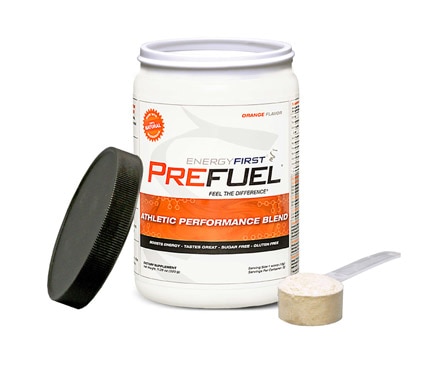 Don’t let its name intimidate you. Nitric oxide is a useful molecule that helps our trillions of cells in countless ways. Your body naturally produces nitric oxide and releases it at the interior surface of your arteries. This relaxes and widens vessel walls, allowing more blood to flow through. This boost in blood flow improves delivery of oxygen and nutrients to organs and muscles.
When you’re trillions of cells get the nutrients and oxygen they need in an efficient way, it’s only natural to expect better energy and performance levels. Without sufficient NO (nitric oxide), our cells would work at sluggish levels. Thankfully, there are natural ways to boost nitric oxide production. Prefuel, for example, includes red beet root extract for a long-lasting nitric oxide boost.
For lasting energy, enhanced focus and productivity throughout your day, a healthy metabolism, and increased endurance, be selective about the ingredients in your energy drink. Make sure they’re 100% natural and healthy, hydrating and nutritious, and truly energizing, not energy-draining! As a plus, Pre fuel energy first is a great pre-workout drink to provide you with the endurance you need to get through your workout and to prepare you for muscle soreness relief and recovery.
References:
EFSA Journal; 9(4): 2053 [24 pp.].
Am J Physiol Regul Integr Comp Physiol. 2007 Jun;292(6):R2168-73.
Amino Acids. 2014 May;46(5):1385-92:
J Strength Cond Res. 2003 Aug;17(3):455-62.
-
Should You Take Pre-Workout Supplements?
There are some fitness experts who say pre-workout supplements are not really necessary. If we eat healthy, nutrient-dense foods and get good sleep then we will be ready for any workout – they say, and in an ideal world they may have a point.
Others, including celebrity coach Brandon Carter disagree and, if you have ever started an intense session thinking, ‘I’m just not ready for this,’ or, worse, avoided training altogether because you weren’t in the right frame of mind then a good pre-workout supplement might be just what you need to give you a chemical pep-talk.
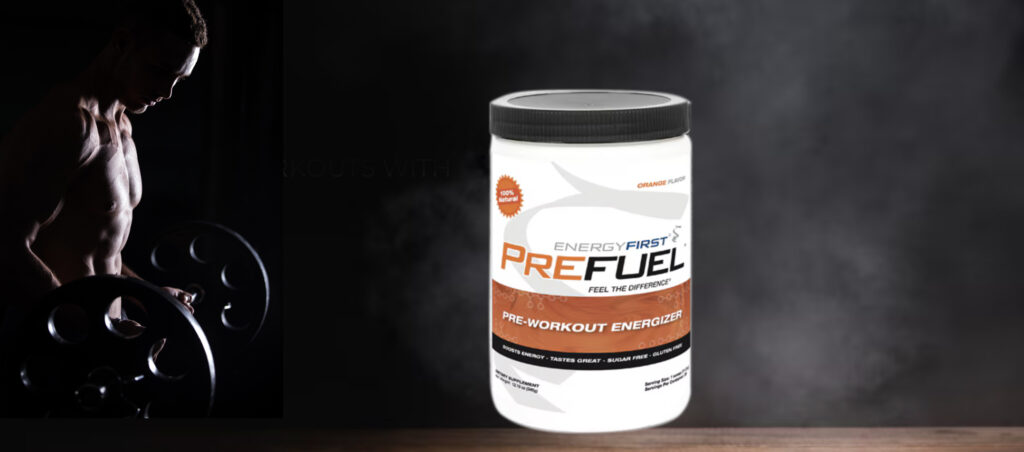 Prefuel® from supplement specialists EnergyFirst contains all of the ingredients you are about to read about, so please follow this link if you want to fire up your next workout.
The Power of Citrulline
“No modern pre-workout or pump-boosting supplement is complete without citrulline,” writes Mike Roussell Ph.D. In this Bodybuilding.com article, and I completely agree. As the article explains, not only does this amazing amino acid, found in the humble apple, mop up fatigue-inducing ammonia produced by hard-working muscles, it also increases levels of arginine. Arginine, in turn, increases the amount of nitric oxide in the blood and more NO means more blood flow to those same muscles, improving endurance and aerobic performance. In fact sufficient NO supplementation leads to the ‘muscle pump’ phenomenon experienced by heavy lifters and those whose training involves intense bouts of activity.
Creatine for Energy and Faster Recovery
By now, I’m sure you will have come across the buzz surrounding creatine, a nitrogenous organic acid found in muscle tissue. Creatine has been researched in depth and is now established as a key supplement in the fitness industry, known mainly for its effect on bulking up muscles. Creatine is also central to the production of ATP which supplies the energy needed for increased workout endurance. In addition, creatine helps to speed up the recovery of muscle tissue, getting you quickly back in action, and also has a positive effect on mood while driving down stress levels. Less stress means less cortisone, a hormone linked with weight gain and muscle wastage. To round it off, creatine is also involved in the production of testosterone which is vital for sexual health and appetite – for men and women alike.
BCAAs and Fasted Training –What You Need to Know
 If you’re a fan of the pink liquid, then you will already know that Branched-Chain Amino Acids -BCAAs help to make protein synthesis more efficient while disrupting the processes that catabolise (break down) muscle; supplementation is important because exercise degrades BCAAs. If you need brushing up on their benefits, this Bodybuilding.com piece will help, but BCAAs really come into their own during fasted training, when insulin levels are low and fat-burning can really accelerate. Without BCAA supplementation, the catabolism of muscle means that fasted training can leave you weaker as well as slimmer. Not only do BCAAs slow down muscle breakdown in the fasted state, they do this without stimulating the production of insulin – which means you get to burn fat for longer.
Beat Off Ions with Beta-alanine
Fatigue is accepted as a by-product of an intense workout, but we can delay its effects with some high quality supplementation. We have already explained how citrulline can stave off muscle fatigue, but a dose of the beta amino acid beta-alanine can also assist by boosting levels of carnosine, an antioxidant which sweeps up fatigue-inducing hydrogen ions.
Prepare your Mind for Action
It’s one thing knowing that your pre-workout powder is going to carry you through a demanding session, but you still need to wake yourself up enough to start the work in the first place. Some poor quality pre-workout supplements use huge levels of caffeine to provide that motivation, but this is a poor substitute for a properly balanced matrix designed to improve alertness, mood and focus. L-tyrosine, as this OptiMind® article explains is the precursor of several catecholamine neurotransmitters which play a big part in mental function, so look for a pre-workout powder containing this amino acid and one which goes easy on the caffeine. Certain vitamins are also widely recommended for boosting focus and concentration. This Livestrong article lists vitamins B3 (Niacin), B6, B12 and C as being particularly valuable so keep an eye out for high levels of these when working on your pre-workout supplement shortlist.
A Word About Betaine Anhydrous
Betaine anhydrous, another amino acid, is an ingredient to keep an eye out for (some people may mistake its appearance on ingredients lists for fatigue-busting beta-alanine). Studies have shown that betaine helps with both the creation of lean muscle mass and the burning up of fat across a wide range of different activities. Supplement expert Jim Stoppani Ph.D is a keen advocate as he proves in this article.
The Natural Approach
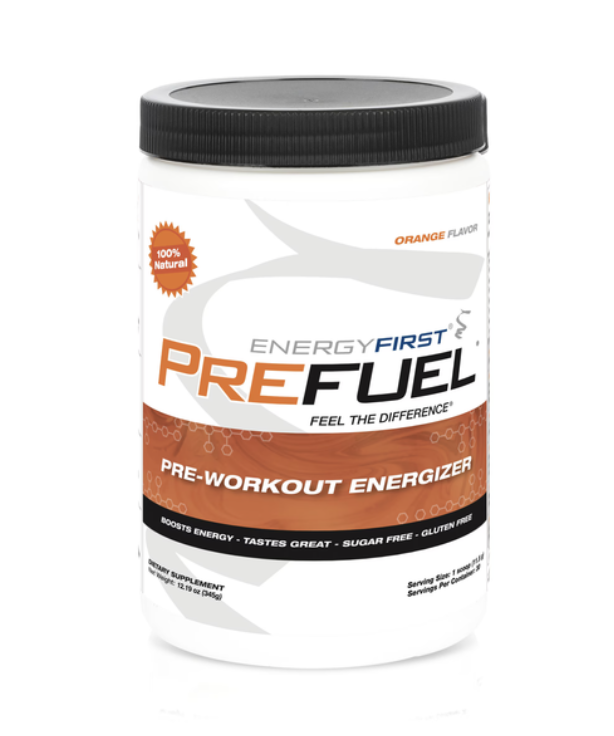 With so many exciting ingredients to fire up your body, it is easy to ignore the other side of the coin – what ingredients should be avoided in a pre-workout supplement? As I always say, once you’ve got the active workout-boosting ingredients sorted, anything else is unnecessary. You don’t need any added sugar nor artificial flavors, colors or preservatives. PreFuel®, EnergyFirst’s top quality contribution to the pre-workout scene, goes even further, being non-GM, free of soy, gluten-free and suitable for people following a vegan diet. And while PreFuel® does contain caffeine, it is only in sensible amounts to support rather than dominate the mixture. Taking in too much caffeine is uncomfortable for many people, particularly if they are not used to it, making them jittery and on edge.
When you are looking to build serious muscle or burn away fat, you can’t go into any workout session in a half-hearted fashion. If you ever feel weak, sluggish or just ‘not up for it,’ this is a clear sign that you need some help. A good pre-workout supplement, such as Prefuel® from EnergyFirst, will ensure you are ready to push your body to the limits for the results you want. Good luck…!
-
Which Vital Vitamins and Minerals are Crucial for Bodybuilding
Many articles about bodybuilding focus on the so-called ‘macronutrients,’ and anyone who has researched the nutritional aspect of bodybuilding will know all about the importance of packing in protein and controlling carbs.
In particular, those who are serious about taking in high quality protein should opt for whey protein isolate which has had the fat and lactose stripped out. ProEnergy® from EnergyFirst contains a big hit of all-natural whey protein isolate from grass-fed cows.

However, you could easily sabotage your efforts to bulk up by ignoring your body’s need for micronutrients – more commonly known as vitamins and minerals. These are crucial to ensure the whole metabolism process works properly, and some can’t be stored in the body and so need to be consumed daily. I’ll start with these…
Essential Vitamins and Minerals for Bodybuilding
The Water-Solubles (B-Vitamins and Vitamin C)
The body is unable to store the water-soluble vitamins, so you will quickly become deficient in them if you don’t ingest them on a daily basis. what vitamins should i take for bodybuilding? There are six you need to concern yourself with, and they are vitamins B1 (thiamine), B2 (riboflavin), B3 (niacin), B7 (biotin), B9 (folic acid) and good old Vitamin C (citric acid).
 Vitamin B1 is necessary for extracting the energy from carbs and for the functioning of the nervous system. It can be found in beef, pork, eggs, seeds and nuts.
Vitamin B2 is needed to break down the macronutrients (protein, carbohydrates and fats) as well as keeping your skin healthy. Sunflower seeds are a super source of riboflavin.
30% of your daily Vitamin B3 requirement can be sourced from a cup of fresh milk; it is linked with reduced levels of heart disease but, as this WebMD article explains, it could be harmful to take too much.
There are many foods that will provide you with Vitamin B7. This Newsmax feature focuses on the benefits and sources of biotin. Folic acid is often associated with pregnancy, but bodybuilders also need Vitamin B9 because it plays a vital part in red blood cell production, preventing anaemia. One food that is rich in both folic acid and citric acid (Vitamin C) is broccoli. Vitamin C, of course, is a brilliant immunity booster as well as being an important antioxidant.
Vitamins A & D
This Bodybuilding.com article explains more about why Vitamin A and D, both fat-soluble nutrients, are so important for keeping your system running efficiently and where you can source these vitamins naturally. Here is some additional nutritional information about Vitamin D in this Muscle & Fitness piece and this quinoa beef stew recipe, also posted by Muscle & Fitness, combines both of these life-enhancing vitamins in one filling and tasty hit.
Vitamins E & K
Vitamins E and K are also fat-soluble, with Vitamin E widely regarded for its antioxidant properties and Vitamin K for its involvement in the clotting of blood. Vitamin E is also building up a reputation as a nutrient that is beneficial for heart health since it acts to both prevent LDL cholesterol from depositing itself on artery walls and to limit the formation of muscle tissue in damaged arteries. Vitamin K is also needed to keep your bones, teeth and cartilage in good order and, though it is rare to be deficient in it, eating your greens should ensure you have all that you need.
Other Nutrients you Need
Creatine, an organic nitrogenous acid, is one of the most widely cited nutrients used by bodybuilders, and this article from Bodybuilding.com reveals six reasons why creatine is so popular.
Then there is ZMA, a supplement which combines zinc, magnesium and vitamin B5; Jim Stoppani Ph.D. explains just why these minerals are so important to good health.Myoglobin, a compound which transports nutrients to working muscle (pretty important for bodybuilding) requires iron and the symptoms of deficiency in this crucial mineral is fatigue, an inability to concentrate and weakness – neither of which will help you survive a moderate workout, let alone an intense one. Women require significantly more iron than men, and some types (non-heme) can be notoriously difficult to absorb if other chemicals, such as tannin, from tea, and phytates, from whole grains, are present.
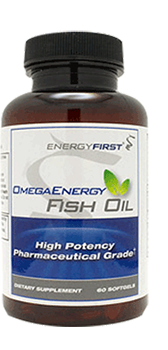
No nutritional piece would be complete without looking at the omega-3 fatty acids, and you can keep yourself running smoothly with EnergyFirst Omega Energy Fish Oil. Fish oils help bodybuilders with their blood circulation, while Marie Spano, Vice-president of the ISSN reveals why fish oils are great for joints too in this illuminating piece.
A Note on Supplementation
You may be wondering whether a good multivitamin can save you all of the effort involved in sourcing the vitamins and minerals you need from natural foods. Can popping a pill really be as good for you as cooking up a nutritious meal? The answer is not straightforward. On the one hand, the natural forms of many vitamins and minerals are more efficiently absorbed by the body than those contained in supplements; but on the other hand, the goodness-stripping effect of modern food processing techniques and the poor quality of some of our soils means that supplementation is becoming increasingly important to maintain health. The advance of food science over recent years has led to supplements that are more effective than they once were. The answer is also different depending on the particular nutrient concerned. For example, Vitamin E is much more easily absorbed in its natural form than as a supplement.
Fish oil supplements are one example where a purified, concentrated form of nutrient may be better than its natural source given the degraded state of many of our waterways with fish often found to be contaminated with damaging heavy metals. Check out our detailed post on What to Look For In Fish Oil Supplements.
So the next time you’re building a nutritional plan to sustain you through your bodybuilding regime, pay just as much attention to micronutrients (vitamins and minerals) as to your protein, carbs and fat content. Think of micronutrients as supporting the overall cellular condition of your body, enabling you to build muscle and lose fat efficiently while keeping you feeling healthy and full of energy.
-
SAFE WINTER WORKOUT
With the weather outside being frightful, it’s hard enough trying to stay motivated to work out instead of hibernating all winter long. Even a motivated person, however, can put himself or herself in danger without taking a few safety precautions before exercising outside during winter months?
According to Dr. Cedric Bryant of the American Council on Exercise, the greatest concern for working out in the cold is hypothermia. When the body loses more heat than it can produce, hypothermia occurs.
With the weather outside being frightful, it’s hard enough trying to stay motivated to work out instead of hibernating all winter long. Even a motivated person, however, can put himself or herself in danger without taking a few safety precautions before exercising outside during winter months?
According to Dr. Cedric Bryant of the American Council on Exercise, the greatest concern for working out in the cold is hypothermia. When the body loses more heat than it can produce, hypothermia occurs.
Hypothermia can lead to frostbite of exposed skin, sleepiness, confusion, or clumsiness. The mental confusion associated with hypothermia can slow down thinking and make it hard for you to realize you need help. If the body temperature drops 95° F, it is considered a medical emergency because it can be deadly.
Layer it Up
Make sure to dress up in a few layers to insulate your body. Although the amount of layers depends on your intensity level and amount of body fat, there are three essential layers everyone can benefit from. The trick is to prevent losing too much heat while preventing overheating your body.
A base layer of synthetic materials, but not cotton, can wick away sweat or moisture and will help you stay warmer longer. A quality mid-layer of wool or fleece will help keep in the heat. Finally, cover your layers with a third, waterproof outer layer.
Even if you are well-clothed, your head, hands, and feet can lose body heat. A hat or helmet is important to prevent losing heat from your head. If your head is uncovered, you will lose body heat quicker and the workout may have to be cut shorter. Wear gloves to protect body tissue in your hands and fingers.
The Weather Man is Your New Best Friend
Now, more than ever, is a great time to keep an eye on the weather forecast a few days ahead. If you can find a few sunnier or warmer days in advance you can plan accordingly. Since mornings and evenings are typically colder, try to schedule your workouts midday.
Try to avoid rainy days. It will be hard to keep your body temperature above the danger zone if your body is wet. Also, if you are soaked, your layers will not be able to protect you from losing body heat. Dr. Bryant advises that if the wind chill falls below minus 20°F, the conditions may be too dangerous to workout outdoors.
Stay Hydrated
Even though it’s not a hot, humid summer day, your body is still losing moisture. Remember to drink plenty of water while exercising to replenish the water you’ve lost. Nourish your body with the raw fat-burning power of whey protein to fuel your winter workout with EnergyFirst Protein Shakes.
-
FIGHT WINTER WITH “FIRE”
Meet capsaicin. Although it’s found in tiny amounts in oregano, cinnamon, and even cilantro, it is popularly know for being the main active ingredient in peppers of the genus Capsicum (i.e. cayenne pepper). In fact, it is the ingredient that gives you that burning sensation when eating hot peppers. It’s not just a culinary seasoning, though. Amongst many other roles, capsaicin is a digestive aid and a decongestant.
Who would’nt benefit from a digestive aid this holiday season? Capsaicin improves digestive health in many ways. It stimulates stomach activity and normal flow of digestive juices. Capsaicin also prevents excessive acid secretion and actually stimulates alkali secretion to help prevent or even heal gastric ulcers.
Capsaicin also makes the intestine more permeable to nutrients so that more nutrients are absorbed. Capsaicin can even modestly boost metabolism. Numerous research studies show that it’s attractive antioxidant and anti-inflammatory properties are well-established.
Capsaicin can also help you fight the cold weather this winter. It offers relief from sore throats, congestion, and colds. Your body may respond to a simple tea made from capsaicin. All you need is about half a teaspoon of powdered cayenne pepper, a cup of boiling water, and some determination to drink this tea about 3 times a day.
Let the tea cool and gargle it for sore throat relief.
Don’t limit yourself to cayenne peppers, though. There are a vareity of nutrient-packed peppers you can include in your diet fresh or pickled for the winter. Their rich in vitamin C, potassium, and even B vitamins for normal energy production.
Try poblano, serrano, jalapeno, or habanero peppers in different recipes, such as guacamole.
-
Top 5 Lip Smacking Protein Recipes for you!
[vc_row][vc_column width=”1/1″][vc_column_text]
If you’ve read some of my previous articles, you have probably gathered that I am a big advocate of whey protein, in particular whey protein isolate. Whey is the watery component that separates out from curdling milk and modern production techniques have led to the creation of whey protein isolate which removes the fat and milk sugars to leave a protein-rich substance that is ideal for people looking to build muscle. In addition to its high protein content, whey contains a host of valuable nutrients such as Calcium, Magnesium, Phosphorus, Potassium, Selenium, Thiamin, Vitamins B5 and B12 and Zinc.
 Whey protein isolate is often sold in powdered form, as it is with ProEnergy®, an expertly-formulated product from leading nutritional supplement provider EnergyFirst.
However, even the most dedicated protein advocate can get tired of straight shakes, despite the fact that ProEnergy® comes in three flavored versions (vanilla, chocolate and strawberry). So I have decided to present five variations on the theme below – experiment, enjoy and, when you’re ready to take things further, visit our Recipes section for more inspiration!
-
Yogurt
I have already gone into the benefits of yogurt in a previous article where I explained that you need to aim for as few ingredients as possible – milk and bacteria is all you really need and you should certainly avoid added sugar. However, when you are looking to bulk up, you can add your favorite flavor of EnergyFirst whey protein powder to a ‘Live & Active’ yogurt to form a tasty and filling whey protein pudding. On top of the muscle-building benefits provided by the isolated whey protein, you will be ingesting the live cultures in the yogurt which are linked with enhanced immunity, a healthy GI tract and even reduced recovery time following a workout. Yogurt is also packed with calcium as well as other important minerals and vitamins.
If you are really not a yogurt person, you can always add your whey protein powder to some vanilla almond milk, a popular alternative to dairy, and throw in some berries, flax and chia seeds.
-
Banana Crepes

 Just to prove that fast fried food doesn’t have to be bad for you, I give you the protein-enhanced banana crepe! For your batter, use two eggs (that’s around 12g of protein to start with) and add in half a cup of whole wheat flour and half a cup of vanilla or unflavored EnergyFirst ProEnergy® powder at 20g of protein per scoop (chocolate can work too, but strawberry may be a bit weird). You can boost the flavor with a drop of vanilla essence and/or cinnamon if you fancy too.
For the filling, mix six ounces of live, unsweetened yogurt with one sliced banana and a tablespoon of peanut butter. Next, simply fry the batter lightly on both sides, spread in the filling and serve.This recipe was adapted from one of 12 provided by this Men’s Fitness slideshow.
-
Fruity Protein Shake

Even the humble protein shake can be turned into a pleasurable experience with the addition of some fruit and creativity. Here is how to make our very own Dreamy Strawberry Shake. Take a scoop each of EnergyFirst ProEnergy® vanilla and chocolate whey protein powder for a 40g hit of protein. Add in one to one and a half cups of pure water (or skim milk) and a quarter to half a cup of fresh or frozen strawberries and blend, adding ice for a thicker consistency. You can even add in a scoop of Greenergy, and a quarter cup of Omega Energy Mix, or a tablespoon of Omega Energy Oil, to boost your health with the goodness of green superfoods and essential fatty oils.
You can explore other fruity protein shake ideas by scrolling down our ProEnergy® product page.
-
Blueberry Muffins
The classic blueberry muffin is given a healthy twist with this next recipe. For your wet ingredients you will need one cup of almond milk and one third of a cup of unsweetened apple sauce. Your dry ingredients will be half a cup of EnergyFirst ProEnergy® whey protein powder in your choice of flavor, one cup of whole wheat flour (or a mixture of flour and oats), two teaspoons of baking powder, half a teaspoon of baking soda and a pinch of salt.
Mix your dry ingredients in a large bowl, leaving a depression in the centre. Mix the milk and sauce in a separate bowl and pour this into the pit, gradually combining everything into a dough. Fold in a cup and a half of blueberries and spoon the mixture into around 12 muffin cases. Cook them for 20 minutes at 375°F and leave to stand for three minutes before transferring to a baking rack to cool.

With 20 grams of protein per scoop, and absolutely no oil or sugar (except that found in the blueberries), you’ll be able to enjoy your muffins with a clear conscience. As this Slism article points out, blueberries themselves have been associated with fat loss, especially around the belly, and anthocyanin, an antioxidant present in the fruit, has been found to reduce the risk of heart disease and diabetes.
-
Protein Bars
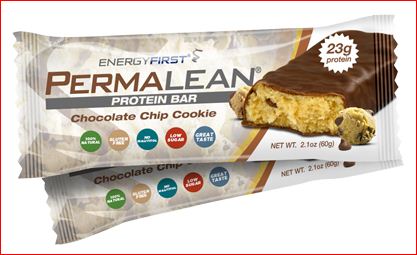
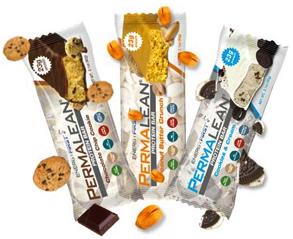
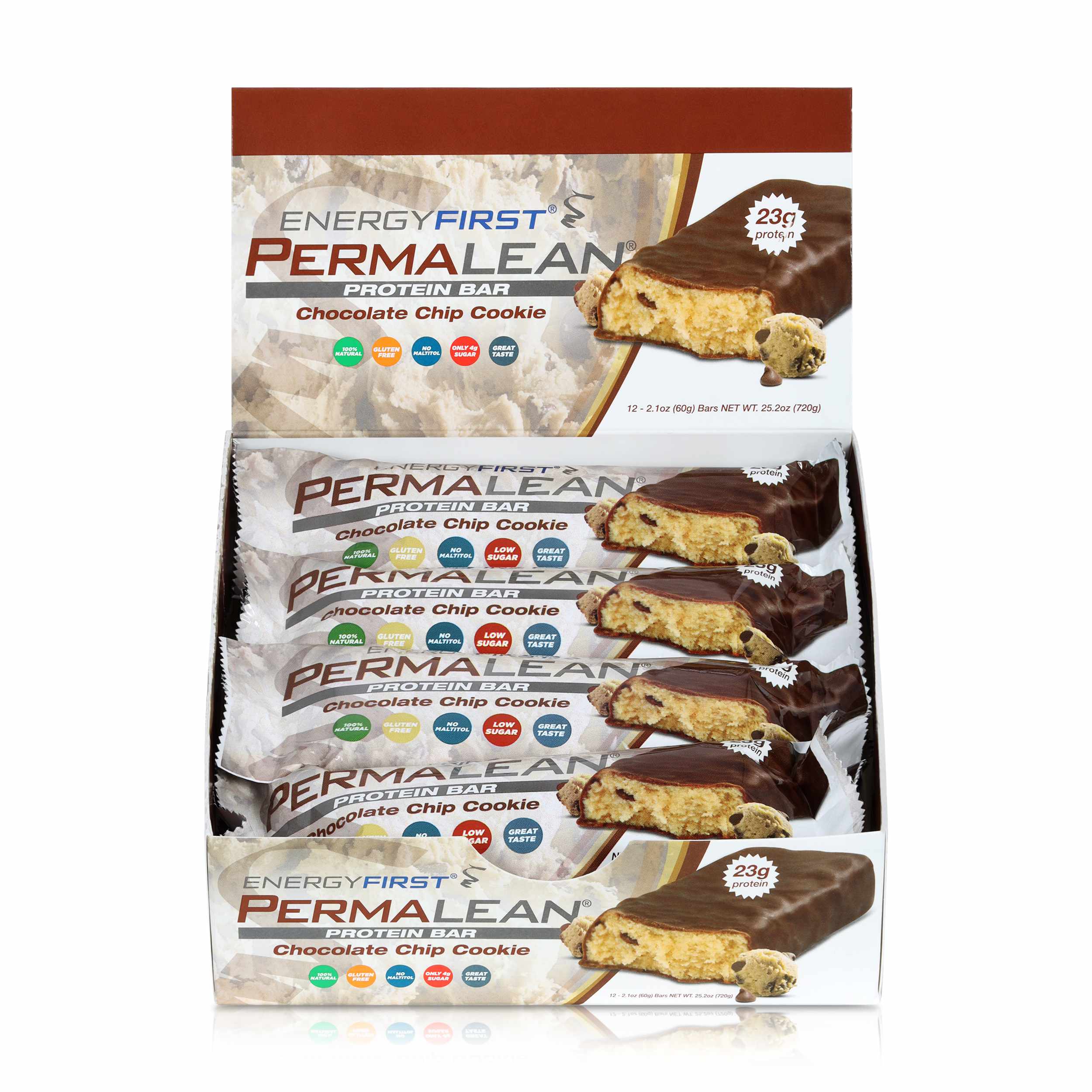
I understand that some of you won’t want to spend any more time than is necessary in preparing your protein snacks. If you prefer to leave the recipes to others, then I recommend stocking up on ProEnergy Permalean® protein bars. Unlike many inferior protein bars, these have been formulated specifically for men and women who are serious about building a powerful, lean body and feeding it with top grade nutrition. Each bar contains 23 grams of protein and only 4 grams of sugars, with much of the carbohydrate content comprising dietary fiber. In terms of flavor, Permalean® is available in three tempting flavors: Peanut Butter Crunch, Chocolate Chip Cookie and Cookies and Cream. Check out our detailed post on what to look for in a protein bars.
And while you’re munching on your protein bar, take a look at this healthy eating guide from Bodybuilding.com which explains that preparing and eating healthy food doesn’t need to be time-consuming nor expensive and can taste great – something I hope the above protein recipes will prove to you.
[/vc_column_text][/vc_column][/vc_row]
-
-
Why Protein Bars are Good for You?
In today’s post, we will see why protein bars are good for you. To be more specific: why high quality, nutrient rich, low sugar protein bars are good for you – because I’m here to tell you that not all protein bars are created equal!
Protein bars are now a common sight in gym bags throughout the world, having surged in popularity over the last decade with an increase of 169% usage over that time. But why is that the case?
And what distinguishes a superior health product, like our EnergyFirst Gourmet high protein bars, from those of a poor competitor?
The following article answers both of those questions:
The Benefits of Protein Bars
The statistics show that more people than ever are sold on the benefits of eating protein bars, but what do these health products actually do on a physiological level?
 According to the National Strength and Conditioning Association (NSCA), taking on protein post-workout helps to increase muscle bulk, decrease recovery time and reduce soreness.
Daniel Moore and his colleagues tested one of these claims when they conducted a scientific study into the muscle-building performance of protein. They measured if – and by how much – ingestion of egg protein affected protein synthesis in the muscles of young men, following a bout of resistance exercise. The research team concluded that 20g of ingested protein was enough to cause a burst of albumin protein synthesis (APS) within muscle tissue.
However, the American Council on Exercise (ACE) have stressed that it is important to choose the right type of protein bar – containing the right type of protein – to achieve a positive result. Bars containing whey, or a mixture of whey and other protein sources are preferable. As this SFGate feature explains, protein from animal whey and soy introduces essential amino acids which act to repair damaged muscle tissue, synthesize blood cells and manufacture hormones and enzymes.
Protein bars also fit very nicely into our modern ‘on the go’ lifestyle where preparing fully balanced nutritional meals is a luxury most of us are denied – at least on a regular basis. In contrast, a protein bar can be quickly consumed, leaving us free to focus on other aspects of our lives.
Healthy protein bars can also pack a surprisingly tasty punch, and its worth mentioning here that our EnergyFirst Permalean® bars use only natural flavours (try out our best tasting protein bars such as Peanut Butter Crunch, Chocolate Chip Cookie and Cookies and Cream varieties).
What to look for in a Protein Bar when making a choice
Healthy Ingredients:
The first thing to understand is that a healthy label does not a healthy product make! There are products for sale that are marketed as ‘best protein bars’ when they contain only slightly more protein than a peanut-filled candy bar, for example.
There has been a lot of nutritional research over the past ten years which means that there are many more good quality products produced today and many more educated consumers to buy them. Unfortunately there are also many charlatans who jump on the ‘healthy food’ bandwagon and try to pass off inferior protein bars using slick marketing and branding techniques (which have also come a long way, of course).
Fortunately, the FSA has ensured that labeling needs to be better than ever and so we can always see exactly what is in our ‘health’ foods if we choose to look.
Protein:
The first element to look for in a pure protein protein bar is, of course, the amount of protein it contains. It is recommended that we each consume at least 50g per day and, as the Moore study above shows, taking in 20g of protein has proven benefits so it makes sense to make this figure a benchmark.
Of course, best protein bars don’t just contain protein and the best products include a balance of protein, carbohydrate, fat, vitamins and minerals to sustain you through your workout.
Sugar:
 However, many so-called protein bars contain far more sugar than is needed. As a guide, a protein bar containing more than 25g sugar should be avoided, although a man could get away with a bar containing up to 37.5g. The deleterious effects of consuming too much sugar are spelt out in one of my previous articles, which asks the question: Sugar: A Sweet “Poison”?
Carbohydrates:
As well as sugars, there are likely to be other carbohydrates present and this complicates matters a little. A handy rule of thumb to follow when shopping around is to subtract the amount of fiber (in grams) from the carbohydrate value and compare this result with the amount of protein present; if there is more protein than carbs then this is a positive sign.
Calories:
Are you looking mainly to lose weight or build bulk? Carbohydrates, together with fat content, will have a huge bearing on the overall calorific value of the bar and, as this Bodybuilding.com article reveals, calorific content can range from 70 to nearly 500 per bar – a huge difference! Weight loss expert Jillian Michaels explains that if you are targeting weight loss and/or eating protein bars between meals it is best to stick to a bar that contains around 220 calories. On the other hand, 300 or even 400 calories may be acceptable if you are eating protein bars to replace meals and/or looking purely to add bulk.
Fiber:
Returning to fiber; if a bar has a high fiber content you can consider that an extra bonus, particularly if these are pre-biotic super-fibers such as inulin and isomalto-oligosaccharides, as explained in this Calories Proper piece.
The Best Bars for Nutrition
So far then, we have discovered that the best protein bars are those with at least 20g of soy or animal whey protein and less than this amount of net carbohydrates (i.e total carbohydrates minus fiber). High levels of fiber, minerals and vitamins are a bonus but the most suitable calorific value will depend on your overall nutritional strategy (as well as a range of factors including age, gender and activity levels).
When researching the good protein bars for overall nutrition, you’ll find that our EnergyFirst Permalean® bars tick all of the boxes signifying a quality product. For a start, Permalean® exceeds the magic number of 20g from the Moore study by packing in 23g of whey protein. Total carbohydrates also amount to 23g, but at least 9g (depending on the flavour) is fiber, including pre-biotic isomalto-oligosaccharides, leaving net carbohydrates well behind protein. With only 4g of sugar per bar, Permalean® is well below recommended maximums here too and is also gluten-free. Also available on reduced rate in box of 12 as a multi-pack.
So now you know why protein bars can be good for you, and how to sort the healthy types from the pretenders, you should be able to set aside the marketing buzz and make a sound, evidence-based decision on whether to join the protein bar fan club.
-
Why You should Use a Pre-Workout Energy Drink?
[vc_row][vc_column width=”1/1″][vc_column_text]
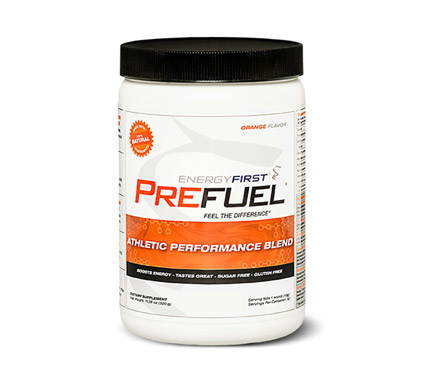 Exercise workouts can be pretty demanding on the body, with intensive sessions often leading to fatigue – both physical and mental – and muscle soreness. The pre workout energy drink was created to boost energy going into a workout, and minimize some of the side-effects afterwards.
Top supplement provider EnergyFirst have blended some of the most highly regarded pre-workout ingredients into their Preworkout® formula to simultaneously promote muscle growth, prevent catabolic breakdown, sweep up free radicals and reduce stress and muscle soreness.
[/vc_column_text][vc_column_text]
But what exactly are these key ingredients, and what does the wider fitness community have to say about them?
Health Benefits of Creatine
Creatine is a popular supplement in the world of bodybuilding, and many people associate it with its ‘bulking’ effect on muscles (partly because creatine draws water into muscles, making them bigger). But according to Bodybuilding.com, there are at least six reasons to introduce creatine into your diet – even if you’re more of an endurance athlete. For a more in-depth article on the less well-known effects that creatine has on the brain, read Kendall Lou Schmidt’s piece from the same website.
Returning to the physical properties of creatine, this organic acid replenishes supplies of creatine phosphate, an alternative energy source once the muscles’ stores of ATP run low. This helps to keep muscles in an ‘anabolic’ state.
Anabolic vs Catabolic States
What is an Anabolic State? An anabolic state is simply one where the body uses energy to build large molecules – in this case muscles. The opposite ‘catabolic’ state occurs when the body begins to break down large molecules in order to create smaller ones, releasing energy in the process. The catabolism of muscle tissue happens when carbohydrate stores run low and enables proteins in the muscles to be used as the basis of glucose production – defeating the purpose of bodybuilding!
Branch-chain Amino Acids (BCAAs), which are broken down during exercise, are crucial for the muscle-building process and bodybuilders and athletes have been replenishing them through supplements for over 25 years. They are still used in pre-workout formulae today, although the industry has come a long way since the 1980s. The importance of BCAAs are stressed in this Flex article, and also in this one from Bodybuilding.com’s science editor: Krissy Kendall.
Glutamine is another amino acid which is used up during exercise and replaced through catabolism. This is why high quality supplements such as Preworkout® list L-Glutamine among their ingredients. Read more about glutamine in this Bodybuilding.com article.
Exercise and Oxidation
Exercise, by its nature will cause oxidation, leading to the release of damaging free radicals throughout the body. These literally rip into cells, including muscle cells, and can cause DNA mutations – leading to cancer in some cases. Therefore, a pre-workout shake has to include antioxidants which scour the body, mopping up free radicals before they can cause serious harm. The catechin ECGC (found in green tea); nacetylcysteine (NAC) and citrus bioflavenoids are all part of the potent chemical antioxidant force found in Preworkout®.
Inflammation and DOMS
They say: ‘no pain, no gain,” and DOMS (or delayed onset muscle soreness) is part and parcel of a tough fitness regime. However, pre-workout drinks can also tackle this unpleasant part of exercise with caffeine one of the surprising substances that can ease DOMS. In addition to supplementation there are other steps you can take for a more comfortable post-exercise experience, as Mark McManus explains.
The Effects of Stress
Top pre-workout supplements, like Preworkout® use a minimal amount of caffeine to avoid the overproduction of adrenaline and other chemicals which stress the body. Additional ingredients can be included which strengthen the body’s resistance and reduce stress. Adaptogens such as salidroside, found in the arctic plant Rhodiola rosea, help to combat fatigue while the withanolides, found in Ashwagandha (Indian ginseng), have been shown – although not proven yet – to reduce levels of cortisol, a key stress hormone. As this article from WebMD explains, there is ‘some evidence that ashwagandha combined with deep breathing and a specific diet might reduce symptoms of anxiety.’
This Muscle & Fitness article has some tips for boosting your immune system (and tip number seven also attests again to the benefit of glutamine supplementation).
Absorption and Nutrient Utilization
It’s one thing to pack nutrients into a pre-workout drink, but quite another to ensure those nutrients are absorbed into the bloodstream. The best formulae include chemicals that increase the ‘bioavailability’ of the nutrients delivered. These might include the natural compound AstraGin™ and black pepper extract, among others. These work on the small intestine to maximize absorption, with black pepper also found to reduce fat levels in the bloodstream as an additional benefit, according to this Nutra feature.
Conclusion
As we have discovered, the body needs to stock up on numerous different substances to ensure it maintains the optimum biochemical balance for health and to achieve our fitness goals. From creatine and BCAAs to keep it in an anabolic state and antioxidants to mop up free radicals to adaptogens for stress relief and caffeine to help minimize post-exercise pain, there are many reasons to use a pre-workout energy drink.
The great thing about Preworkout® is that these nutrients are included together in one handy product. Many of the ingredients found in EnergyFirst Preworkout® appear on the ‘must-have’ list of top fitness experts, for example this supplement shopping list from Alex Savva of Bodybuilding.com. And unlike some pre-workout supplements which have high doses of stimulants and need to be cycled (see this Krissy Kendall article on cycling supplements), Preworkout® is the best pre workout drink for energy contains minimal amounts of caffeine for a more stable, sustained energy boost. Two scoops before a workout should be adequate for most sessions but you can always add an extra scoop to get you through an intensive workout.
If you have never tried a pre-workout supplement before, we suggest you give Preworkout® one of the best pre workout energy booster from EnergyFirst a go in your training regime. There is an excellent article by Layne Norton PhD which shows you just how you can scientifically test the effects of any new approach or supplement. Visit www.energyfirst.com for more information about pre workout energy supplements.
[/vc_column_text][/vc_column][/vc_row]
-
Why People Like Green Superfood Powder?
[vc_row][vc_column width=”1/1″][nectar_slider location=”green superfood article” flexible_slider_height=”true” slider_transition=”slide” slider_height=”300″ loop=”true” autorotate=”10000″ arrow_navigation=”true” bullet_navigation=”true” desktop_swipe=”true”][vc_column_text]
Although the actual ingredients vary, both in type and quality, green superfood powders usually contain a blend of green vegetables, seaweed, algae leaves and grasses with additional ingredients, including berries and beans also included.
[/vc_column_text][/vc_column][/vc_row][vc_row][vc_column width=”1/1″][vc_column_text]
For example, GREENERGY®, the green superfood powder produced by leading nutritional supplement provider EnergyFirst, contains a potent combination of acai, spinach, kale, pea, chlorella, Aloe vera, Indian gooseberry, echinacea, green tea and many more health-promoting ingredients.
[bctt tweet=”But what is it about green superfood powder that is winning over health and fitness fanatics?”]
We’ve taken a detailed look at the various ingredients it contains and the whole ‘superfood’ trend itself to find out why people can’t get enough of the green stuff.
The Benefits of Green Vegetables
To begin with, we probably all grew up being told to ‘eat our greens’, so there is immediately a link between the colour green and health. These ‘greens’ almost always referred to green vegetables, and there is now plenty of evidence to back up the general belief that green veggies are indeed good for us.[/vc_column_text][/vc_column][/vc_row][vc_row][vc_column width=”1/1″][vc_column_text]
Take for example cruciferous vegetables. While these are not all green, the most often cited examples, particularly the various members of the genus Brassica, are. The following WebMD article talks about how cruciferous vegetables such as broccoli and kale, both found in GREENERGY®, have been found to reduce cancer risk and oxidative stress.
[/vc_column_text][nectar_slider location=”gsa2″ flexible_slider_height=”true” arrow_navigation=”true” bullet_navigation=”true” desktop_swipe=”true” loop=”true” slider_transition=”slide” slider_height=”300″ autorotate=”5000″][vc_column_text]
Spinach is another green vegetable that goes hand in hand with good health, particularly if you grew up with the Popeye cartoons! This BBC guide focuses on the nutritional qualities of this popular flowering plant which is rich in iron and combats both inflammation and cancer. Perhaps more surprisingly, both spinach and kale are better for your eyesight than carrots. These veggies contain Lutein which helps keep the retina healthy, as this ABC news feature explains.
[/vc_column_text][/vc_column][/vc_row][vc_row][vc_column width=”1/1″][vc_column_text]
Introducing Seaweed and Algae
Add to the age-old health appeal of green vegetables the modern interest (from a Western point of view) in the nutritional benefits of seaweed and algae – which are often green too, and you begin to see the appeal of green superfood powder.
EnergyFirst’s GREENERGY® blend contains two of the most talked-about sea-based products: spirulina and chlorella. The Huffington Post explores the health benefits of both spirulina and chlorella in two separate articles.
Another reason for the surge in popularity of algae, such as Chlorella, is the search for alternatives to meat-based protein; vegetarians and vegans are, of course, morally opposed to eating meat, while recent headlines associating meat products with cancer and other nasty diseases has widened the appeal of non-animal substitutes. This PRRocket market forecast cites the search for protein, alongside other reasons, such as the removal of heavy metals from the body, as the basis for Chlorella\’s bright future.
[/vc_column_text][nectar_slider location=”gsa3″ flexible_slider_height=”true” arrow_navigation=”true” bullet_navigation=”true” desktop_swipe=”true” loop=”true” slider_transition=”slide” slider_height=”300″ autorotate=”5000″][/vc_column][/vc_row][vc_row][vc_column width=”1/1″][vc_column_text]
Grasses and Leaves
Third in our list of green health products are a variety of grasses and leaves that have been associated with beneficial properties. One example is matcha tea, a variety of green tea which has significantly higher levels of the antioxidant EGCG than regular green tea. A full run down of matcha’s qualities can be gleaned from this One Green Planet article. Most people will have heard of Aloe vera by now, and if you need reminding of the many health benefits this fleshy succulent provides, read through this Marie Claire article. Both matchi tea extract and Aloe vera are among the ingredients packed into GREENERGY® alongside fibre-rich barley grass and alfalfa leaf powder.
[/vc_column_text][nectar_slider location=”grass and leaves 1″ flexible_slider_height=”true” arrow_navigation=”true” bullet_navigation=”true” desktop_swipe=”true” loop=”true” slider_transition=”slide” slider_height=”300″ autorotate=”5000″][/vc_column][/vc_row][vc_row][vc_column width=”1/1″][vc_column_text]
The Superfood Boom
If there is one thing that all of the above ingredients share in common, apart from their colour, it is their status among the so-called ‘superfoods.’ Many of these have their roots in the traditional medicine of a variety of cultures from around the world. Today, globalization and technological advances have meant that they can now be cultivated and produced to a scale never before seen. Many of the health benefits the ancients knew about have now been backed up by rigorous science, and now the latest ‘superfoods’ are discussed throughout the world. Americans want to know which superfoods the celebrities are recommending (see this Instyle article), Indian fashion magazines are divulging the benefits of seaweed, green tea and the UK popular press are full of miracle stories from those who have found health through superfoods. There are even specific superfood recommendations for everything from mood disorders and low energy to pregnancy.
[/vc_column_text][vc_column_text]
Putting it all together
Once you have selected the best green superfoods from among the various vegetables, seaweeds, algae, grasses and leaves on the planet, all it takes is to package it in a convenient form, suitable for the modern hectic, active lifestyle. The appeal of powders for everything from protein shakes and detox formulae to energy boosting supplements is clear from this Daily Telegraph feature.
Put this all together and green superfood powder wields incredible appeal for a wide range of people looking to supplement their diets with a burst of green goodness.
The next challenge is to select the best green superfood powder on the market, incorporating the optimal ingredients in just the right quantities and prepared in such a way that the precious nutrients are not destroyed in the manufacture.
[/vc_column_text][/vc_column][/vc_row][vc_row][vc_column width=”1/1″][nectar_slider location=”gelabel” arrow_navigation=”true” bullet_navigation=”true” desktop_swipe=”true” loop=”true” slider_transition=”slide” slider_height=”500″ autorotate=”5000″ flexible_slider_height=”true”][vc_column_text]
This is where EnergyFirst GREENERGY® comes in. This nutrient-dense powder contains natural, organic ingredients that have been cold processed to retain their goodness. The versatile powder can then be mixed with water or ProEnergy® protein powder to boost energy, support digestion (with the addition of probiotic enzymes), burn fat and strengthen immunity. To get an idea of just how good GREENERGY® is for you, each serving contains the equivalent of five to seven servings of vegetables, with much less preparation time required.
Just as important is what is NOT included, and GREENERGY® does not contain GMO ingredients or gluten and is fat and sugar-free.
I hope this article was valuable for you. Holler this across the web using any of our social icons on the top right corner of this article or feel free to share your views in a comment below.
Have a healthy meal today!
Cheers, Gerry
[/vc_column_text][/vc_column][/vc_row]